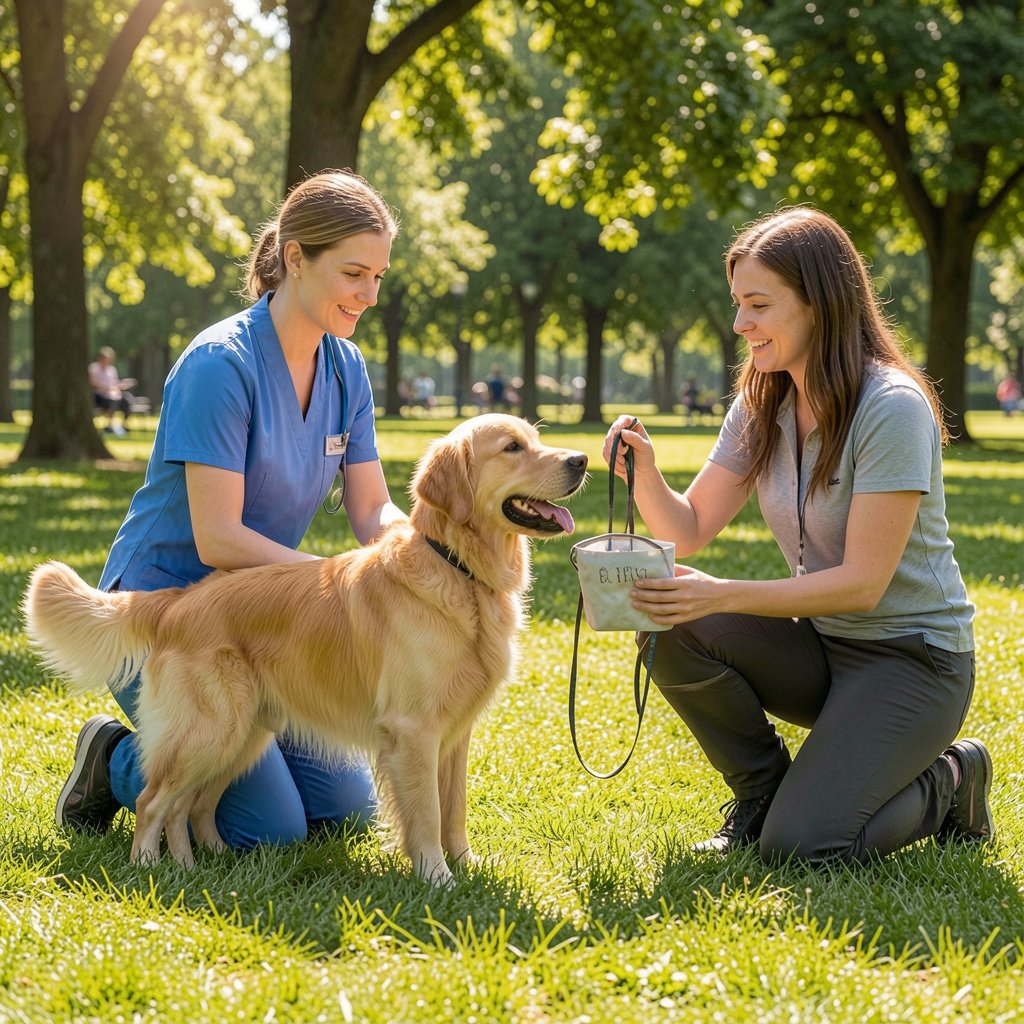
A well-trained dog brings confidence, safety, and enjoyment to everyday life. Whether welcoming a new puppy or working through challenging behaviors with an older companion, choosing reliable dog training Phoenix services can make a meaningful difference. Effective training goes beyond teaching commands; it builds trust, strengthens communication, and helps dogs become confident members of the family. Rob’s Dog Training focuses on practical, reward-based methods that help dogs develop reliable behaviors while giving owners the knowledge to reinforce those skills at home.
Every dog learns differently. Breed tendencies, age, previous experiences, and environment all influence behavior. A thoughtful training approach recognizes these differences while creating consistent learning opportunities that encourage lasting success. When owners understand how dogs learn and communicate, they become active participants in their dog’s progress rather than simply observers.
Why Reliable Dog Training Matters
Training is much more than teaching a dog to sit or stay. It creates a foundation for clear communication that helps dogs understand expectations in various situations. Dogs naturally look for guidance from their owners, and structured training provides that direction through consistency and positive reinforcement.
Reliable training also helps prevent common behavioral issues from becoming long-term habits. Small concerns such as jumping, leash pulling, or excessive barking are often easier to address early before they become deeply established behaviors.
Some of the long-term benefits include:
- Better communication between dogs and owners
- Improved confidence in unfamiliar environments
- Safer interactions with children, visitors, and other pets
- Reduced stress during daily routines
- Greater enjoyment during walks and outings
- Stronger lifelong relationships
Rather than relying on punishment, effective training focuses on teaching desirable behaviors while rewarding success. This creates positive learning experiences that dogs are more likely to repeat.
Characteristics of Reliable Dog Training Phoenix Programs
Individualized Training Plans
No two dogs have identical personalities or learning styles. An experienced trainer begins by evaluating the dog’s temperament, history, lifestyle, and current behaviors before creating a customized training plan.
Individualized instruction allows lessons to progress at an appropriate pace while addressing each family’s unique goals.
Positive Reinforcement Techniques
Modern canine learning emphasizes rewarding desired behaviors instead of punishing mistakes. Positive reinforcement encourages dogs to repeat behaviors that lead to rewarding outcomes, making learning enjoyable while strengthening trust.
Rewards may include:
- Treats
- Praise
- Toys
- Play sessions
- Affection
- Access to preferred activities
This science-based approach encourages consistent learning while protecting the dog’s emotional well-being.
Real-Life Skill Development
Dogs don’t live inside training facilities they live in homes, neighborhoods, parks, and public spaces. Reliable training prepares dogs for these everyday environments by practicing behaviors where they naturally occur.
Real-world applications often include:
- Walking calmly through busy neighborhoods
- Greeting visitors politely
- Remaining relaxed around distractions
- Settling quietly during family activities
- Responding consistently to recall cues
Practical experience helps dogs generalize learned behaviors across different situations.
Common Behaviors That Training Can Address
Many owners seek professional guidance after encountering behaviors that interfere with daily life. Fortunately, most behavioral challenges can improve with consistency, patience, and appropriate instruction.
Pulling on the Leash
Walks become more enjoyable when dogs learn to remain close without constantly pulling ahead. Loose leash walking improves safety while reducing physical strain for both dogs and owners.
Excessive Barking
Dogs bark for many reasons, including excitement, alerting, boredom, or anxiety. Training focuses on identifying underlying causes while teaching more appropriate responses.
Jumping on People
Greeting visitors politely is a learned behavior. Dogs can be taught alternative greeting behaviors that allow them to interact calmly without jumping.
Poor Recall
Reliable recall gives owners greater confidence during outdoor activities while improving safety. Consistent reinforcement helps dogs learn that returning when called is rewarding.
Impulse Control
Many dogs struggle with excitement around food, toys, doors, or visitors. Training exercises gradually improve patience and self-control through structured practice.
Building Owner Confidence
One of the greatest advantages of professional instruction is educating owners. Dogs spend far more time with their families than with trainers, making owner involvement essential for lasting results.
Owners benefit by learning:
- How dogs interpret human communication
- Proper timing for rewards
- How to recognize stress signals
- Ways to remain consistent
- Techniques for preventing unwanted behaviors
When families understand the reasons behind specific training methods, they become more confident applying those skills independently.
The Importance of Consistency
Dogs learn through repetition and predictable outcomes. Mixed messages often slow progress because dogs struggle to understand changing expectations.
Consistency involves:
- Using the same verbal cues.
- Rewarding desired behaviors promptly.
- Practicing regularly.
- Following household rules consistently.
- Remaining patient during setbacks.
Even short daily training sessions often produce better long-term results than occasional lengthy sessions.
Socialization Supports Better Behavior
Proper socialization helps dogs develop confidence when encountering new people, animals, sounds, and environments. Positive experiences during socialization reduce fear while encouraging appropriate responses in unfamiliar situations.
Healthy socialization opportunities may include:
- Walking in different neighborhoods
- Visiting pet-friendly locations
- Meeting calm, vaccinated dogs
- Experiencing various surfaces
- Hearing everyday sounds
- Meeting different types of people
Socialization is not simply exposure it involves creating positive experiences that help dogs feel secure.
Reliable Dog Training Phoenix Helps Strengthen Communication
Training succeeds when dogs clearly understand what owners expect. Clear communication minimizes confusion while encouraging faster learning.
Effective communication includes:
- Consistent verbal markers
- Appropriate body language
- Timely reinforcement
- Predictable routines
- Calm leadership
Dogs naturally observe human behavior. Owners who communicate consistently often see improvements across many aspects of daily life.
Mental Stimulation Is Just as Important as Physical Exercise
Many behavioral challenges stem from boredom rather than disobedience. Dogs need opportunities to use their brains as well as their bodies.
Mental enrichment activities may include:
- Puzzle feeders
- Scent games
- Obedience practice
- Trick training
- Food-dispensing toys
- Problem-solving exercises
These activities provide healthy outlets for instincts while reducing unwanted behaviors caused by excess energy.
Choosing the Right Training Program
Selecting a qualified trainer involves more than comparing prices or locations. Families should evaluate each program’s philosophy, experience, and methods before making a decision.
Important considerations include:
Training Philosophy
Look for trainers who prioritize humane, reward-based methods supported by modern behavioral science.
Experience
Experienced trainers understand how different personalities, breeds, and developmental stages influence learning.
Clear Communication
Good trainers educate owners throughout the process rather than simply working with the dog.
Customized Instruction
Every family has different goals. Personalized training plans typically produce better outcomes than one-size-fits-all programs.
Ongoing Support
Behavior change takes time. Continued guidance helps owners maintain progress after formal sessions conclude.
Setting Realistic Expectations
Training is a process rather than a quick fix. Dogs learn through repeated practice, gradual progress, and consistent reinforcement.
Several factors influence the pace of improvement:
- Age
- Previous experiences
- Health
- Environment
- Daily consistency
- Individual temperament
Some behaviors improve quickly, while others require longer periods of practice. Maintaining realistic expectations helps owners remain motivated throughout the journey.
Everyday Habits That Support Training
Daily routines significantly influence long-term success. Small habits practiced consistently often produce substantial improvements over time.
Helpful routines include:
- Short training sessions throughout the day
- Structured feeding schedules
- Regular physical exercise
- Mental enrichment activities
- Calm greetings
- Predictable household rules
Training naturally becomes part of daily life rather than a separate activity.
Avoiding Common Training Mistakes
Even well-intentioned owners sometimes unknowingly slow their dog’s progress.
Common mistakes include:
- Inconsistent rules between family members
- Rewarding unwanted behaviors accidentally
- Expecting immediate perfection
- Training only indoors
- Using punishment instead of teaching alternatives
- Practicing too infrequently
Recognizing these challenges early helps owners create more productive learning experiences.
Building Lifelong Success
Training should continue throughout a dog’s life. Even after mastering basic behaviors, occasional practice strengthens existing skills while introducing new learning opportunities.
Lifelong training supports:
- Continued mental engagement
- Strong owner-dog relationships
- Adaptability to life changes
- Confidence in new environments
- Better responsiveness over time
As dogs mature, training naturally evolves to meet changing needs while maintaining established behaviors.
Final Thoughts
Choosing reliable dog training Phoenix services is an investment in both dogs and their families. Thoughtful, reward-based instruction builds communication, confidence, and trust while helping owners better understand their canine companions. With patience, consistency, and professional guidance, dogs develop practical skills that improve everyday life, creating stronger relationships and enjoyable experiences that last for years.
Rob’s Dog Training is committed to helping owners build lasting habits that support well-behaved, confident dogs through positive, consistent training.
The points are worth considering when evaluating risk and reward.
how interest rates affect stocks